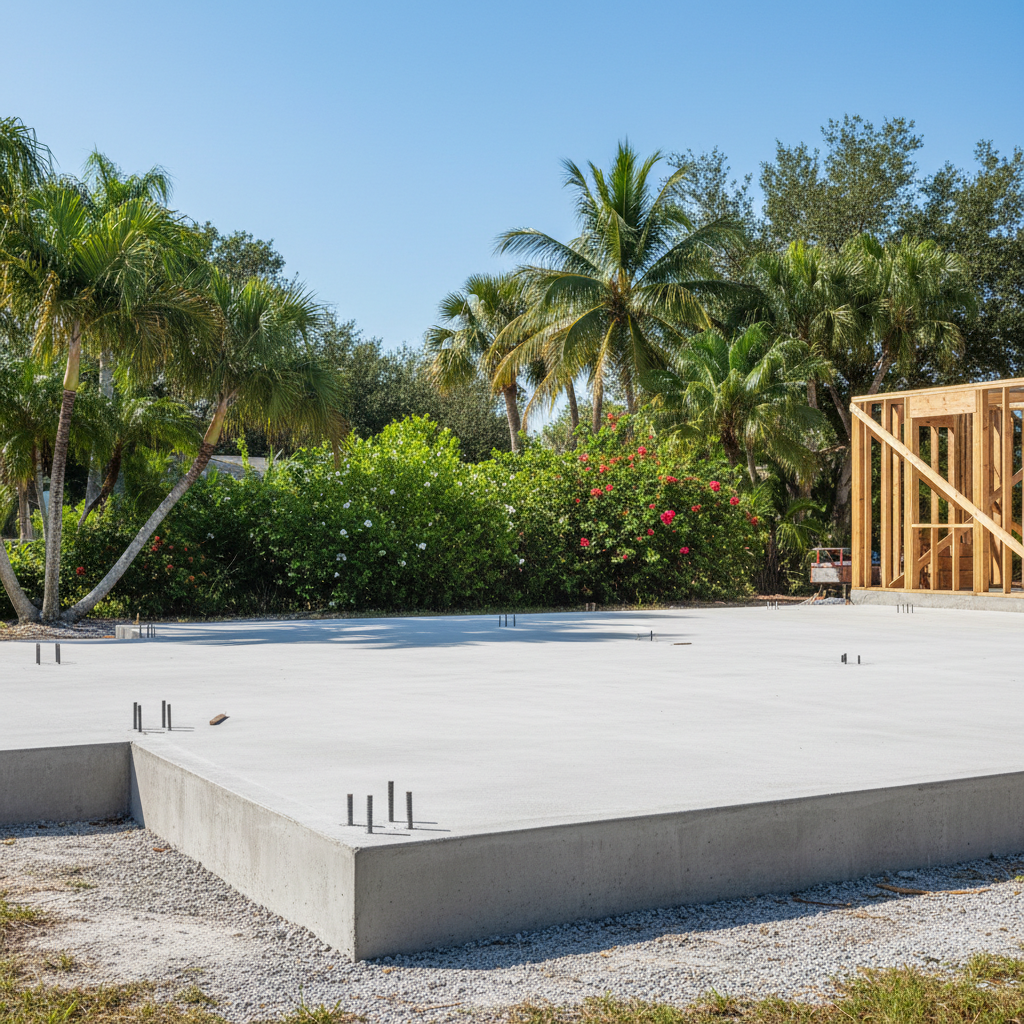
You've got a beautiful home here in Naples, right? Maybe it's a new build in Isles of Collier Preserve, or an older charmer in Old Naples. Either way, its bones – the structural stuff – are what keep it safe and sound. A lot of folks think once a house is built, that's it, job done for the structure. But down here in Southwest Florida, with our heat, humidity, and hurricanes, that's just not the case. If you want to extend the life of your home's structural integrity and avoid some seriously expensive fixes down the road, you've got to be proactive.
Extending the Life of Your Home's Structure
It really boils down to a few key things. First off, good drainage is non-negotiable. Our rainy season dumps a ton of water, and if it's not moving away from your foundation, you're going to have problems. Make sure your gutters are clean and downspouts are extended at least five feet from the foundation. I've seen countless issues start because water was pooling right up against a slab or crawl space, believe me.
Second, manage the landscaping. Those beautiful tropical plants are great, but tree roots can be incredibly powerful. They'll seek out water and can put pressure on foundations or even crack underground pipes. Keep larger trees and shrubs a reasonable distance from the house. Also, make sure irrigation systems aren't constantly saturating the soil right next to your home's perimeter.
Third, control the humidity inside. Our air is thick with moisture, and that can get trapped inside, especially in attics or crawl spaces. Good ventilation is key here. If you've got an older home, consider having your attic ventilation checked. High humidity can lead to wood rot, mold, and even rust on metal components over time, all of which compromise structural elements.
What Regular Maintenance Looks Like
This isn't rocket science, but it does require a little attention. You should be doing a visual inspection of your home's exterior and interior at least once a year, maybe twice if we've had a particularly rough storm season. Walk around the outside. Look at the foundation – are there any new cracks? Is the soil eroding away from it? Check your exterior walls for signs of bowing or shifting. Look at the roofline from the ground; does it look straight or is there any sag?
Inside, pay attention to doors and windows. Are they sticking or becoming hard to open and close? That can be a sign of shifting. Look at the ceilings and walls for new cracks, especially those that are wider than a hairline or run diagonally. Check under sinks and around toilets for any leaks, because water damage is a silent killer of structural components.
For homes with crawl spaces – if you have one, that is – you or a professional should be checking it periodically for standing water, excessive moisture, or signs of pests. Pests like termites love damp wood, and they can do a number on your structural framing before you even know they're there.
Warning Signs You Shouldn't Ignore
Some things are just little quirks of an older house, but others are flashing red lights. Here's what should really grab your attention:
- New or expanding cracks: Especially if they're wider than a quarter-inch, run horizontally, or form a 'stair-step' pattern in masonry.
- Uneven or sloping floors: If you feel like you're walking uphill or downhill in certain parts of your house, that's a problem.
- Doors and windows that don't close properly: Not just a little sticky, but truly out of alignment.
- Bowing walls: Interior or exterior. This is a big one.
- Sagging roofline: From the ground, if your roof looks like it's dipping in the middle.
- Persistent moisture or mold: Especially in areas like basements, crawl spaces, or attics, this points to water intrusion that can damage wood.
- Pest infestations: Termites, carpenter ants, or even severe rodent issues can compromise wood framing.
When to Call a Professional
Look, you're not expected to be a structural engineer. That's my job. If you see any of those warning signs I just mentioned, or if you just have a gut feeling something isn't right, it's time to call someone like Naples Structural Engineering. Don't wait until a small issue becomes a massive, costly repair. Early detection can save you a lot of money and stress.
You should also call a professional after any significant event, like a hurricane or a major flood, even if you don't see immediate damage. Sometimes the stress on the structure isn't visible right away. A professional inspection can give you some peace of mind or catch problems before they escalate.
Think of it like going to the doctor. You go for check-ups, and you definitely go when something feels off. Your house is the same. A little preventative care and quick action when you see a problem will keep your Naples home strong and safe for years to come.